Mostar
You are here: Home > Destinations > Bosnia & Herzegovina > Mostar
About Mostar
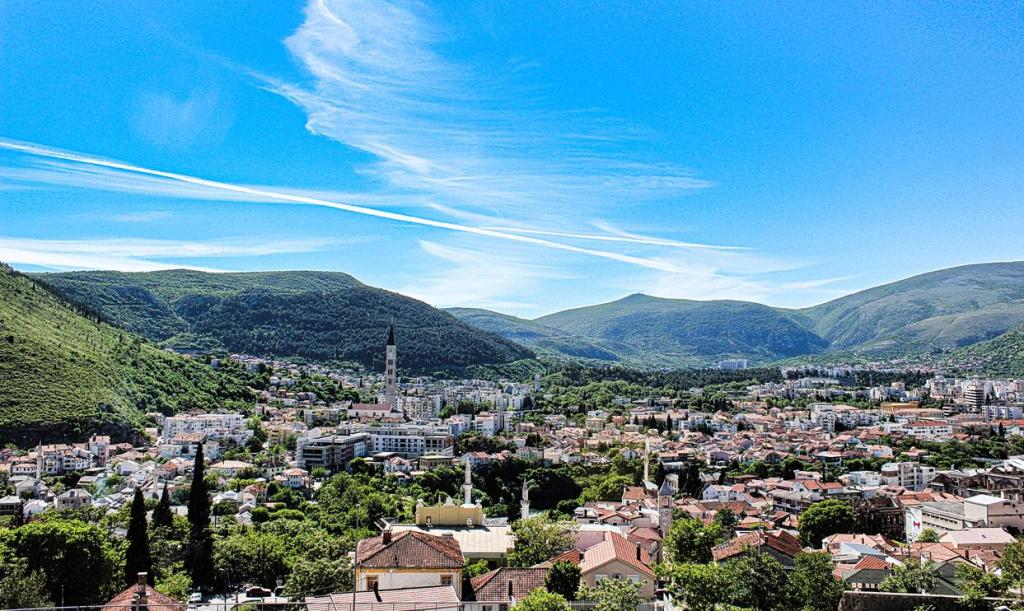
Mostar is the administrative centre of Herzegovina and its largest town, set astride the emerald waters of the Neretva River. Benefiting from a mild climate and long, sun-filled summers, it is a place that feels both relaxed and historically layered. The town’s character has been shaped by centuries of differing influences, and this is evident immediately: within a short walk you encounter Ottoman, Austro-Hungarian and more modern architecture standing side by side.
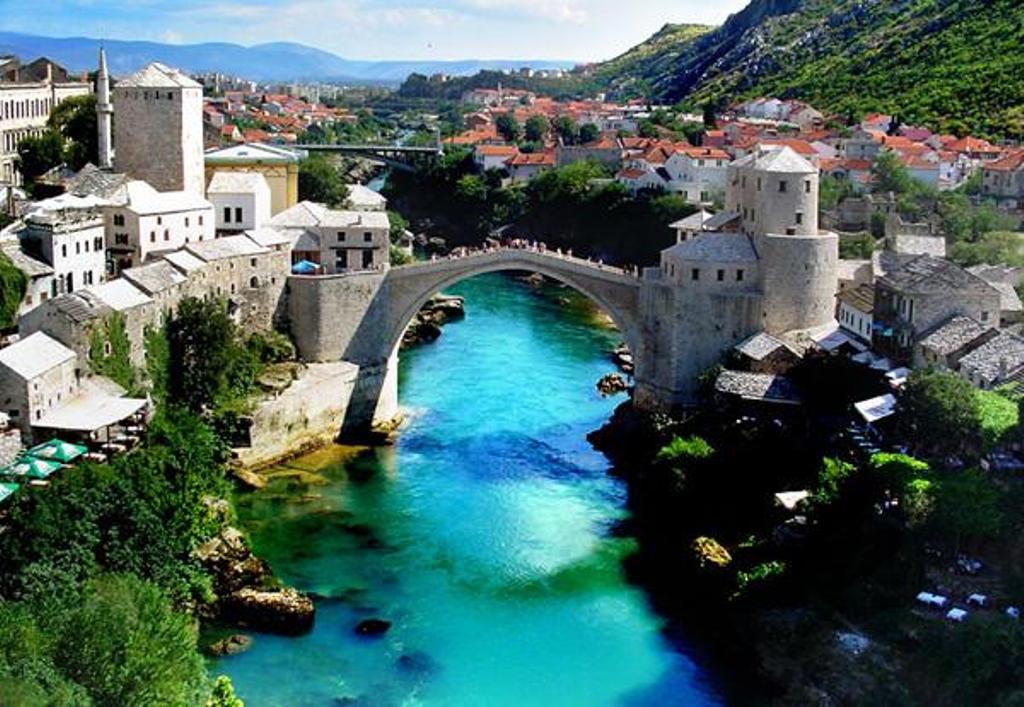
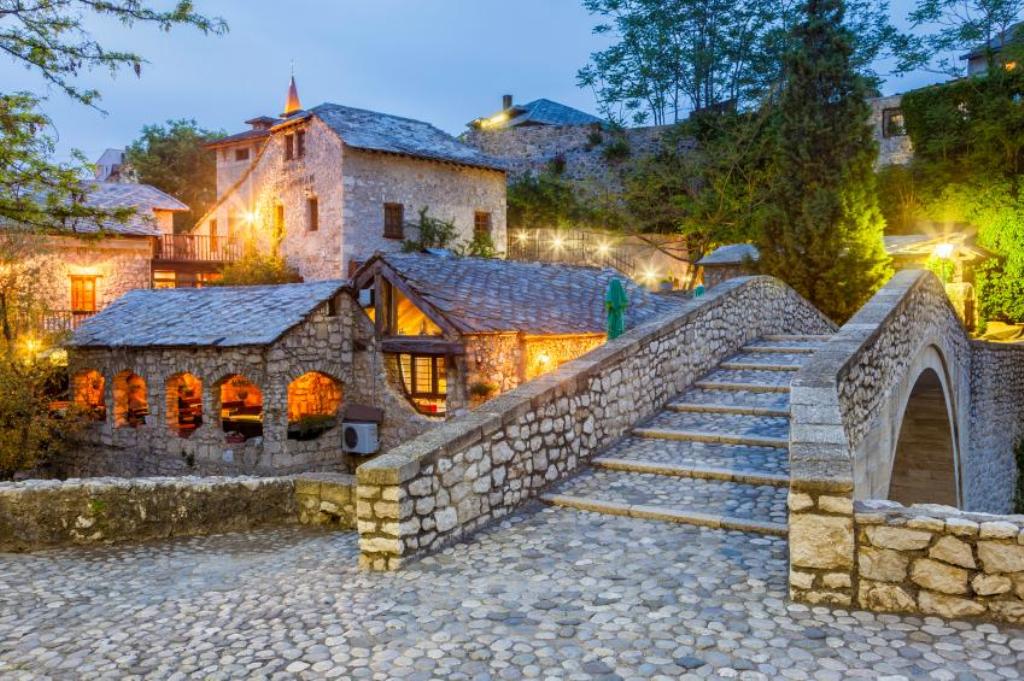
The historic Old Town dates from the 16th century and remains the heart of Mostar. Cobbled lanes lead towards the iconic Stari Most (Old Bridge), originally built in 1566 and meticulously reconstructed in 2004 after its destruction during the conflict of the 1990s. The bridge and surrounding quarter are now a protected UNESCO World Heritage Site and provide a powerful symbol of the town’s resilience. Nearby, mosques, churches and the site of the synagogue sit within close proximity, reflecting the long-standing coexistence of cultures and faiths.
Mostar itself remains a rewarding place to linger. Cafés line the riverbanks, local markets reflect daily life, and evenings are best spent strolling the Old Town as the stonework softens in the evening light. It is a town that invites reflection, offering both beauty and depth to those who take the time to explore it properly.
Beyond its historical core, Mostar is also an excellent base for exploring the wider region of Herzegovina. The town lies less than an hour from the Adriatic coast and just over two hours from Sarajevo, making it an important crossroads. Visitors often combine a stay here with trips to nearby Blagaj, where the Buna River emerges dramatically beneath a towering cliff beside the historic Dervish House, or to the fortified village of Počitelj, whose stone houses and defensive walls rise steeply above the Neretva Valley.
Further afield, the landscape opens into vineyards, karst plains and river canyons. Stolac offers archaeological remains spanning millennia, while Medjugorje continues to attract pilgrims from around the world. The Herzegovinian countryside is also known for its wine production, particularly around Čitluk, where family-run vineyards maintain long-established traditions.
We look forward to being of service.
Hotels to visit
Where to stay
 zoom - MAIN.jpg)
 (24) - view of bridge.jpg)
 - bridge at night2.jpg)
 -cobbles.jpg)
 - panorama 2.jpg)
 - view from starimost3.jpg)
 Stari Most - MAIN.jpg)
 lamps.jpg)
 - dine,river.jpg)
Flexible Tailor-Made Holidays
- We believe passionately that no two holidays should be the same.
- With our flexible tailor-made holiday options you can travel at your own pace.
- Rediscover a city, a resort or an island in a weekend or longer.
- Take a small group tour or embark upon a more adventurous trip.
Trusted Service
- ATOL cover for flight inclusive holidays.
- One of us at Rediscover the World is very likely to have visited the hotels and travelled along the routes on your itinerary.
- Dynamic, comprehensive travel app with all your documents, maps and much more.
- Full financial protection for your holiday (TTA).
Why book Bosnia with us ?
-
More than 30 years experience of the region
-
Unrivalled expertise of local partner
-
Fly-drive holidays in Bosnia & neighbours
-
Activity holidays / Food-themed breaks
- Personally chosen hotels & guest houses
- Off the beaten track
-
24hr assistance in Bosnia & Herzegovina
Reviews