Montenegro's Southern Coast
You are here: Home > Destinations > Montenegro > Montenegro's Southern Coast
About Montenegro's Southern Coast
Montenegro’s Southern Coastline – Bar & Ulcinj
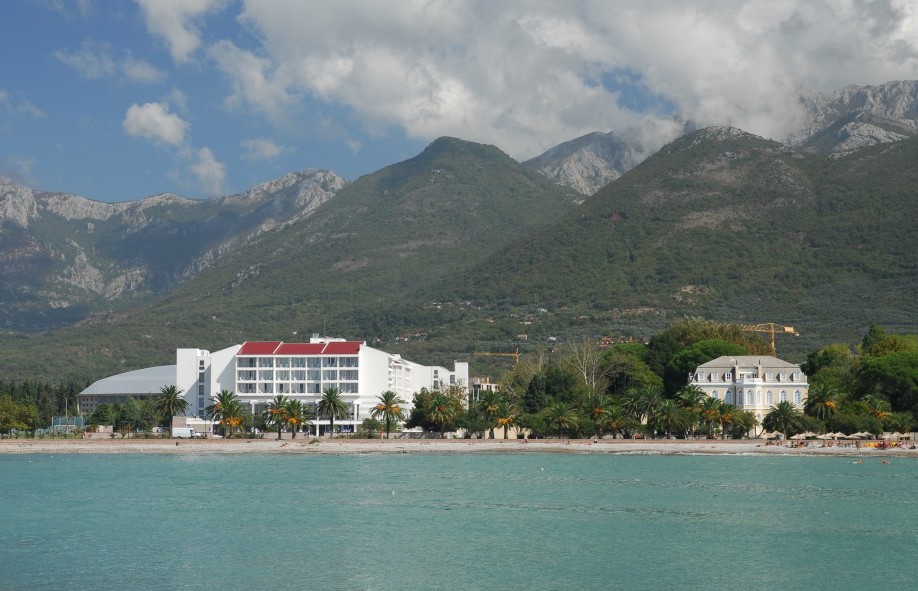
Montenegro’s southernmost region lies between the Adriatic coastline and Lake Skadar, blending culturally with neighbouring Albania. Both Bar and Ulcinj offer comfortable accommodation and make excellent bases for a relaxed beachside stay, while also providing access to history, culture, and nature.
BAR
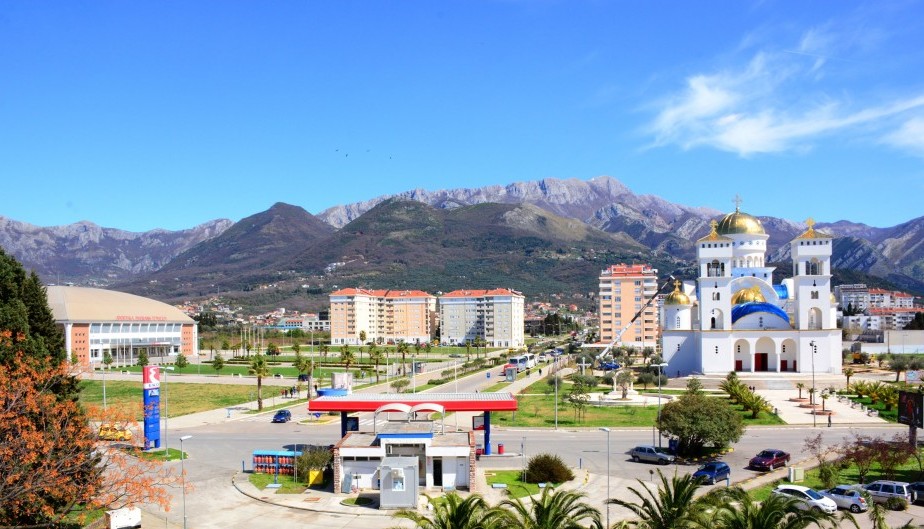
Modern Bar has grown around its port and rail terminus, yet in recent years the town has seen a revival of its historic heritage. Notable sites include a museum in the summer residence of former Montenegrin King Nikola Petrović, located near the Hotel Princess. Bar’s Old Town is one of the oldest fortification settlements on the south-eastern Adriatic coast. Its ancient olive tree in Mirovica, said to be over 2,000 years old, is believed to be the oldest tree in Europe.
Visitors to the Old Town can explore significant buildings such as the Ottoman-era steam bath, powder magazine, Clock Tower, and the aqueduct that once supplied the town with drinking water. Across the wider Bar region, medieval sacred monuments abound, including St. Theodora’s Church, St. Nicholas Cathedral (11th century), the Holy Tekla Church (13th century), the Haj-Nehaj Fortress near Sutomore (15th century), and the Omerbašića Mosque (17th century).
From the ramparts of the Old Town, travellers can enjoy panoramic views over the green Bar valley, the port, the Adriatic Sea, and Mount Rumija. The farmers’ market (pjaca) is a highlight, offering local products such as citrus fruits, olives, cheese, olive oil, and traditional handicrafts. During summer months, exhibitions, concerts, and theatre performances enliven the town. Bar is also the departure point for scenic railway journeys to Belgrade or shorter trips within Montenegro, including Kolasin.
ULCINJ
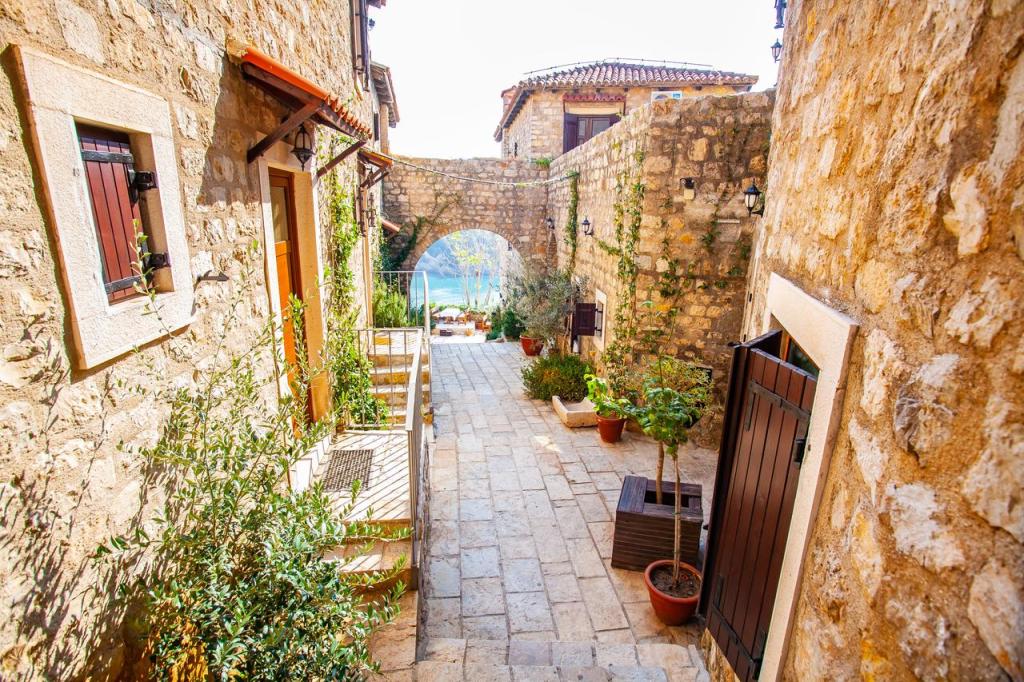
Founded by the Greeks in the 5th century BC, Ulcinj is a historic sea port with Cyclopean walls still visible in its old citadel. Illyrians, Romans, and the Byzantine Empire all left their mark, but today Ulcinj reflects Albanian-Muslim culture and welcomes visitors with warm, traditional hospitality.
The town is easily explored on foot. Key sights include the Old Town (Stari Grad), the “green market”, Balsic Tower and museum complex, the Pasha Mosque, the Cathedral of St. Nikola, and the Mala Plaza beach in the new town. The Old Town also hosted the famous Spanish writer Miguel de Cervantes as a prisoner; he immortalised the city in Don Quixote by naming his heroine Dulcinea after Ulcinj. Servantesov trg, a square in the Old Town, commemorates this connection.
The fortress area contains the city museum, housed in a building that has served as both church and mosque, now used as a gallery. Artefacts include an ancient pedestal with a Greek inscription to Artemis, a cameo of Athena, Bronze Age axes, and relics from Ottoman and Venetian periods. Nearby are Kula Balšića (Balšić’s Tower), the remnants of Bogorodicna Crkva (Orthodox Church of the Holy Mother of God, 12th century, later converted to St. Marko Catholic Church), a Turkish powder magazine, and Palata Venecija (Palace of Venice). Dvori Balsica (Balšićs’ Castle), a large Venetian building, completes the historic landscape.
Bar and Ulcinj together offer a remarkable mix of history, culture, and seaside relaxation, providing travellers with a window into Montenegro’s diverse southern heritage.
We look forward to being of service.
Hotels to visit
Where to stay
.JPG)
.jpg)

.jpg)
.jpg)
.jpg)
.jpg)
Flexible Tailor-Made Holidays
- We believe passionately that no two holidays should be the same.
- With our flexible tailor-made holiday options you can travel at your own pace.
- Rediscover a city, a resort or an island in a weekend or longer.
- Take a small group tour or embark upon a more adventurous trip.
Trusted Service
- ATOL cover for flight inclusive holidays.
- One of us at Rediscover the World is very likely to have visited the hotels and travelled along the routes on your itinerary.
- Dynamic, comprehensive travel app with all your documents, maps and much more.
- Full financial protection for your holiday (TTA).
Why book Montenegro with us ?
- More than 30 years experience of the region
- Unrivalled expertise of local partner
- Fly-drive holidays in Montenegro & neighbours
- Activity holidays
- Food-themed breaks
- Honeymoons
- 24hr assistance in Montenegro