Transylvania
You are here: Home > Destinations > Romania > Transylvania
About Transylvania
Transylvania – Mediaeval Towns, Castles & Carpathian Wilderness
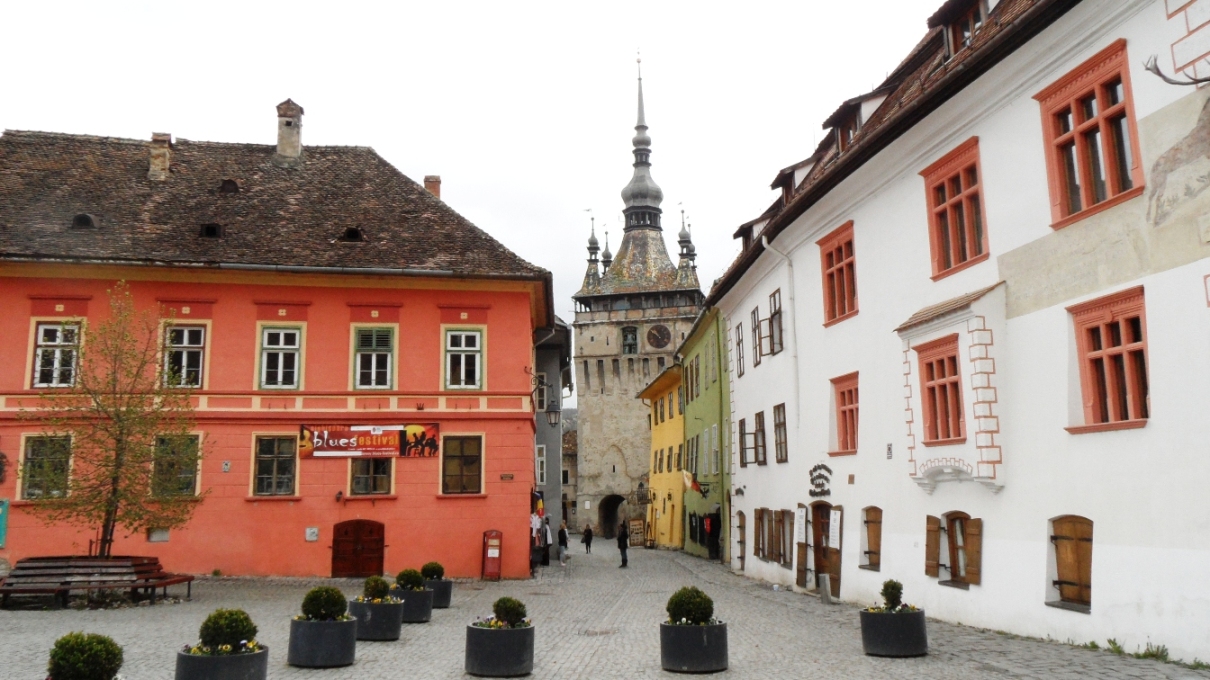
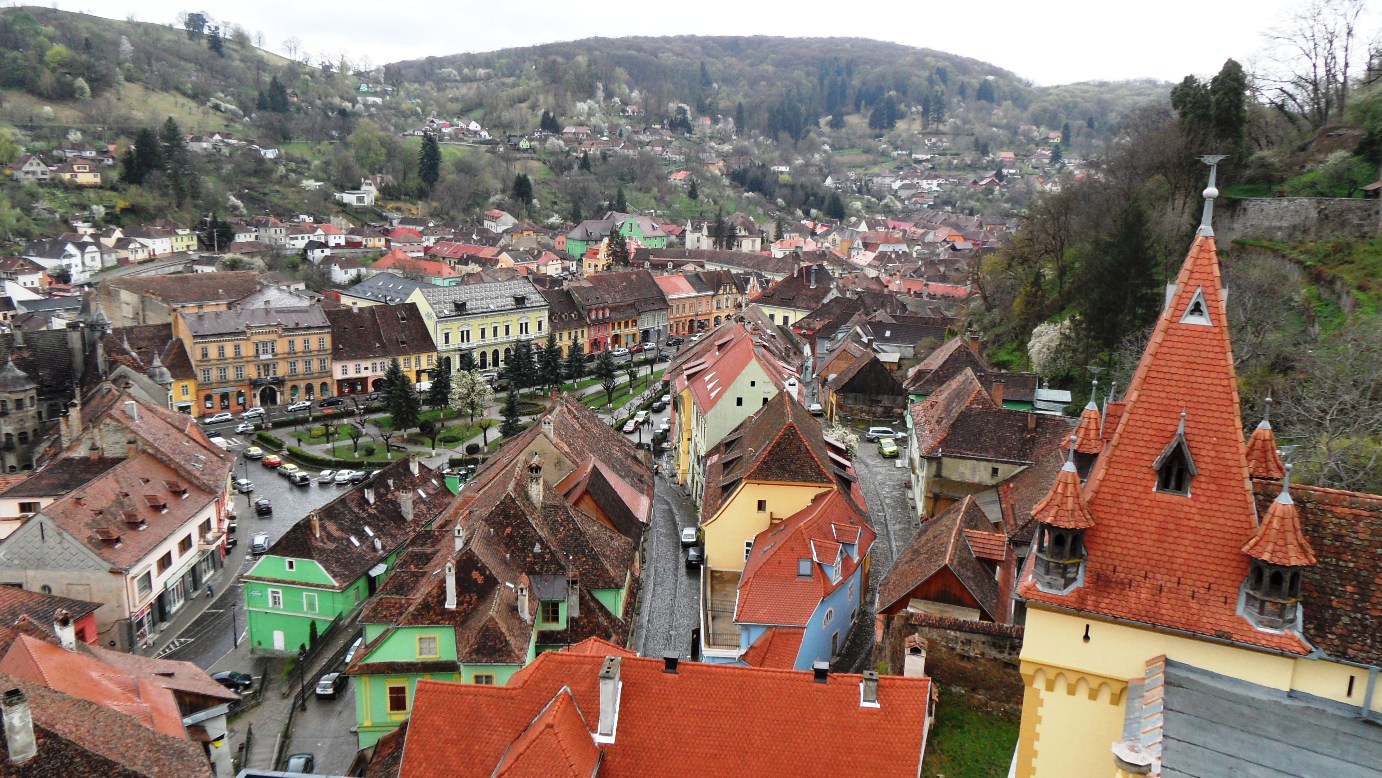
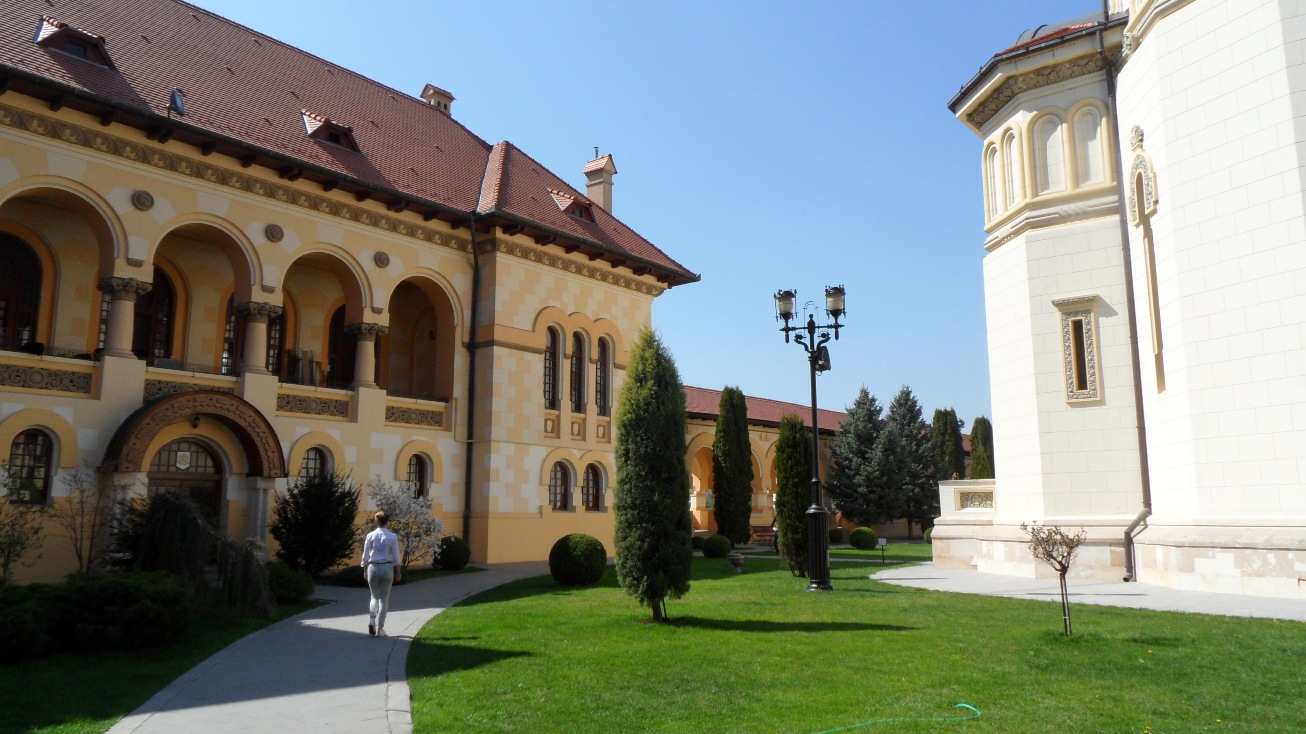
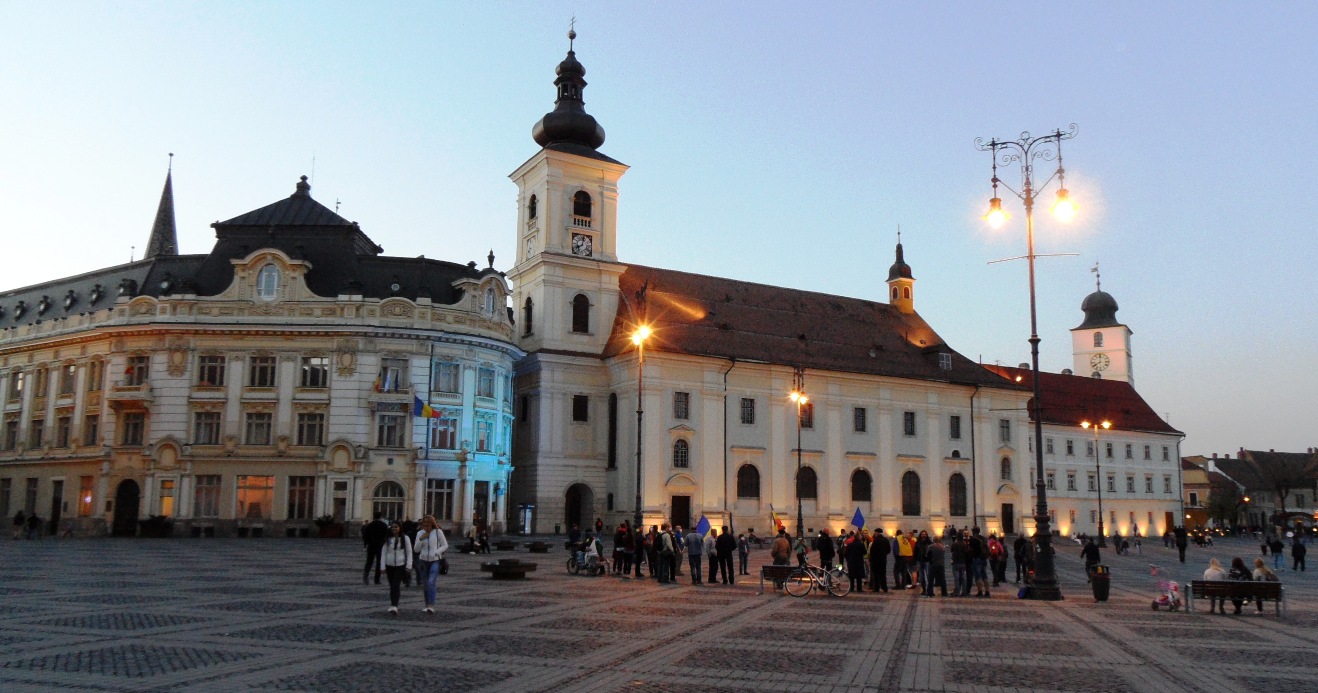
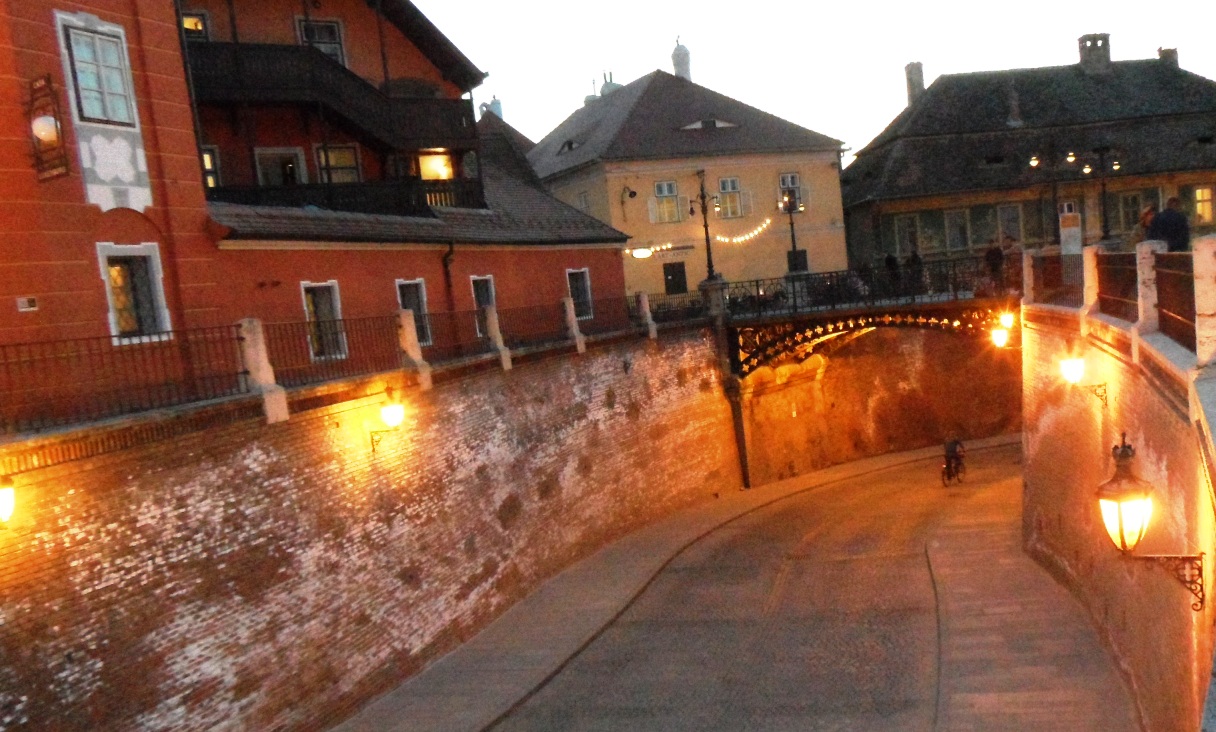
Transylvania is renowned for some of Europe’s best-preserved mediaeval towns. Braşov features Old Saxon architecture and citadel ruins, while Sibiu charms with its cobbled streets and pastel-coloured houses. Sighişoara, with its hilltop citadel, secret passageways, and 14th-century clock tower, is a jewel of the region. Across these towns, small shops offer antiques and fine handmade products by local artisans, preserving centuries-old crafts.
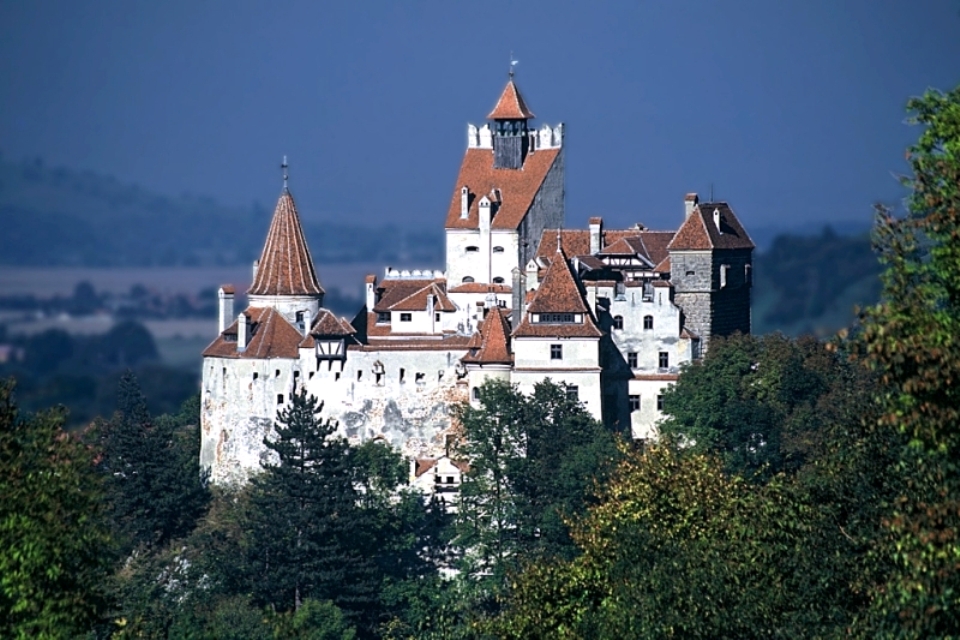
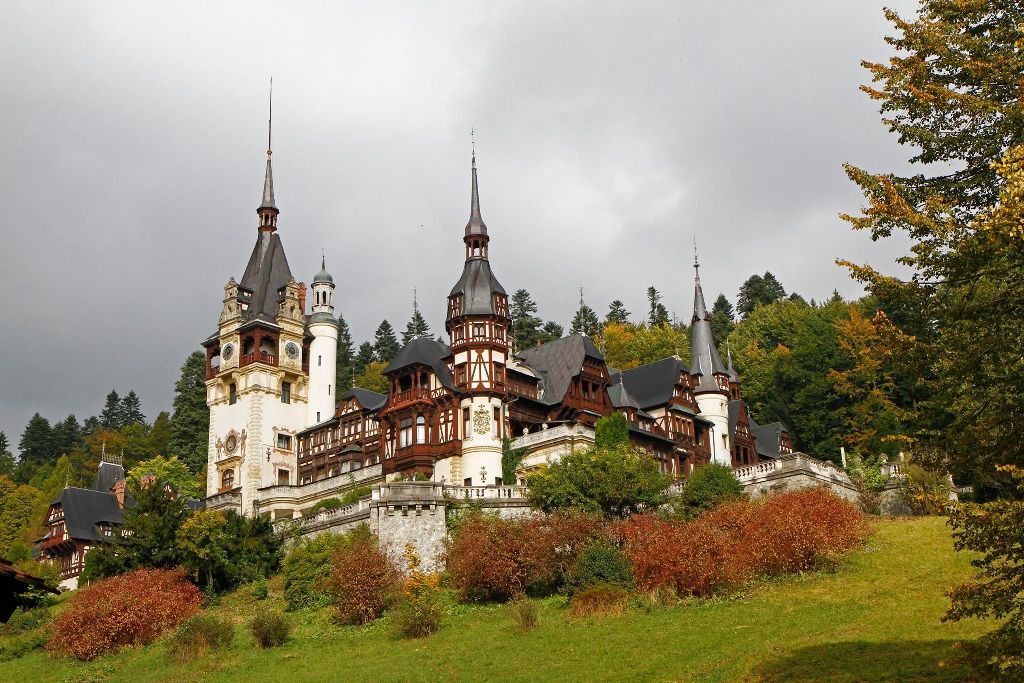
Visitors to Transylvania will also encounter stunning castles, notably Bran Castle near Braşov. This Gothic fairy-tale fortress is often associated with 15th-century Wallachian Prince Vlad Țepeș, the inspiration for Bram Stoker’s Dracula. While Vlad’s historical connection is tenuous, the local folklore and legends remain deeply rooted.
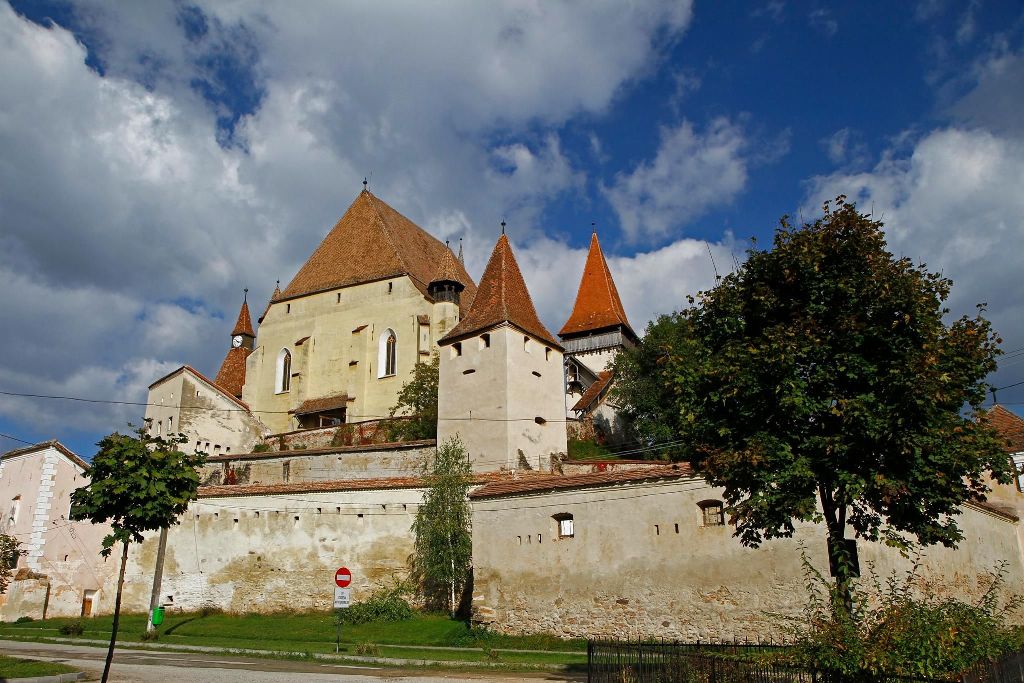
Nearby are impressive fortified churches such as Hărman, with its massive 13th-century Saxon towers, and Prejmer, the largest fortified church in south-eastern Europe. Corvinesti Castle, near Hunedoara and built in the 15th century, boasts a sumptuous Knights’ Hall, towers, and buttresses, evoking the grandeur of mediaeval life.
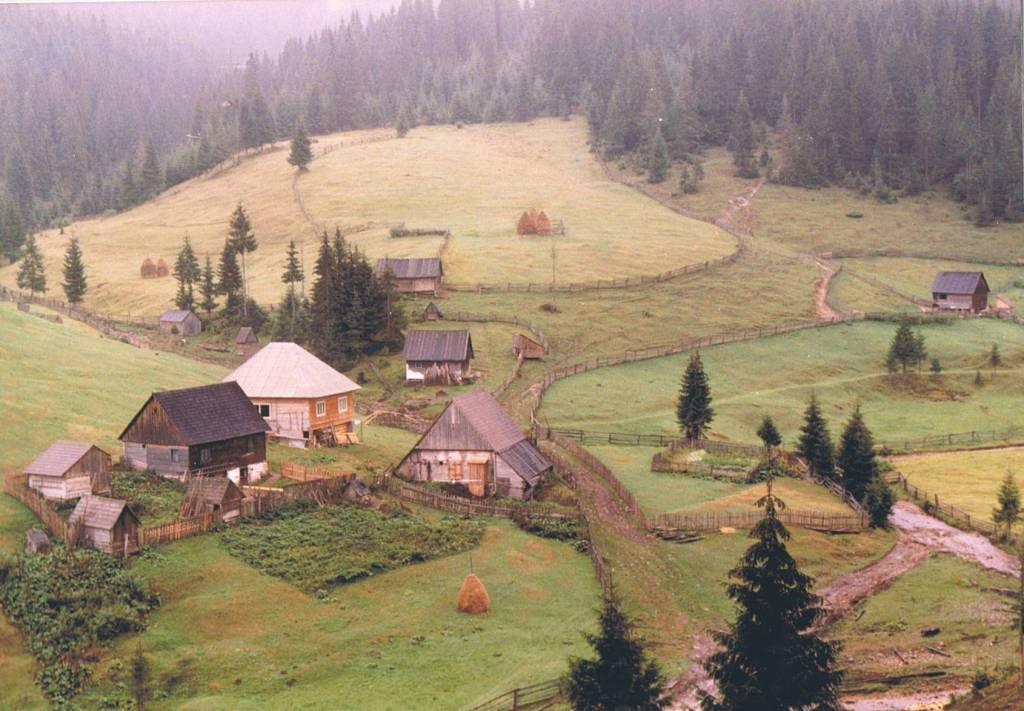
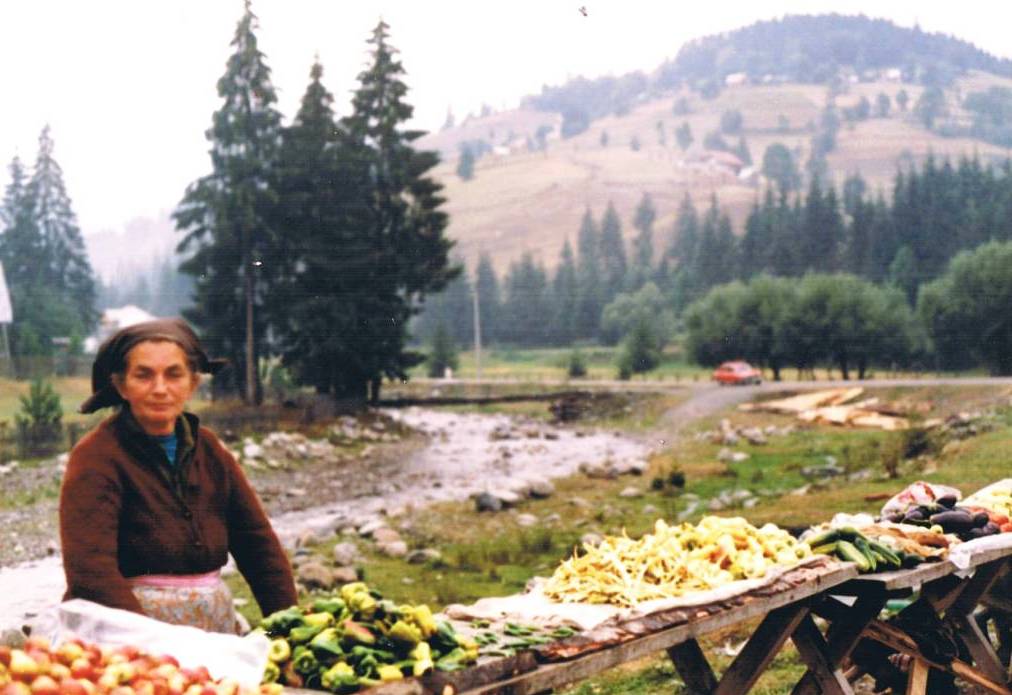
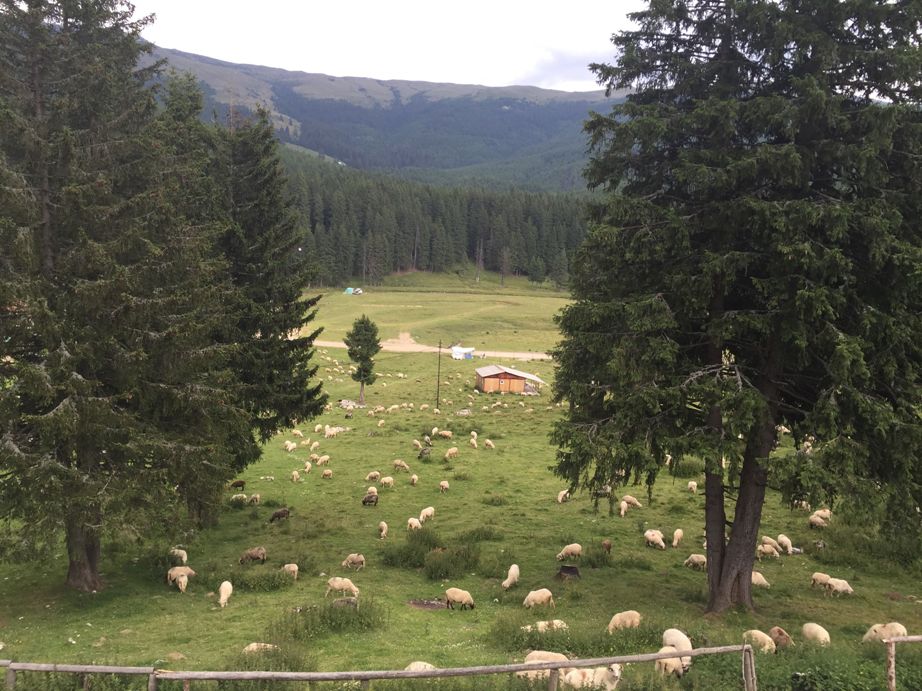
Transylvania’s multi-ethnic heritage, including German and Hungarian influences, is evident in folk costumes, architecture, cuisine, music, and festivals. Colourful traditions thrive in small villages, where people continue to work as shepherds, weavers, blacksmiths, and carpenters.
The Apuseni Mountains, in the western Carpathians, are a landscape of remarkable beauty and mystery. Ancient legends of mountain spirits mingle with wildlife, and over 4,000 caves lie within the range. Scărișoara Glacier, a national monument, shelters the second-largest underground glacier in Europe.
Sightseeing Highlights
-
Braşov – Baroque streets, mediaeval ramparts, and traditional cuisine.
-
Sibiu & Sighişoara – quintessential Transylvanian towns with cobbled squares and vibrant festivals.
-
Râșnov Fortress – 14th-century Teutonic Knights’ stronghold.
-
Saxon fortified churches – explore Biertan and other exemplary sites.
-
Bran Castle – iconic Gothic castle, often linked with Dracula.
-
Corvinesti Castle – 15th-century Gothic fortress with Knights’ Hall, near Hunedoara.
-
Moţi Land (Ţara Moţilor) – scattered mountain villages in the Arieş Valley, preserving centuries-old customs.
-
Apuseni Mountains – Scarisoara and Focul Viu glaciers, Chişcău Bears’ Cave, Vârţop Cave.
National Parks
-
Apuseni Nature Park – ideal for cavers and hikers.
-
Grădiștea Muncelului-Cioclovina Nature Park – home to Sarmisegetuza archaeological ruins.
-
Piatra Craiului National Park – dramatic cliffs, virgin forests, and one of the world’s deepest underground abysses, Colţii Grindului (-540 m).
Food & Wine
Transylvanian cuisine is hearty, aromatic, and deeply traditional. Common ingredients include pork, mutton, and veal, often combined with flour dumplings or homemade pasta. Soups frequently incorporate sour cream and egg yolk. Don’t miss Varză à la Cluj, a Romanian-style lasagne made with finely shredded cabbage, minced pork or veal, rice, and bacon, baked to perfection.
Transylvania is also famous for its spirits and wines. Locally distilled brandies such as Pălincă, Horincă, and Rachie are produced from plums, apples, and pears, often aged in mulberry barrels to acquire a golden hue and a rich flavour comparable to whisky. Saxon villages maintain a proud tradition of winemaking, producing light, fragrant wines that complement the region’s cuisine.
We look forward to being of service.
Hotels to visit
Where to stay
Flexible Tailor-Made Holidays
- We believe passionately that no two holidays should be the same.
- With our flexible tailor-made holiday options you can travel at your own pace.
- Rediscover a city, a resort or an island in a weekend or longer.
- Take a small group tour or embark upon a more adventurous trip.
Trusted Service
- ATOL cover for flight inclusive holidays.
- One of us at Rediscover the World is very likely to have visited the hotels and travelled along the routes on your itinerary.
- Dynamic, comprehensive travel app with all your documents, maps and much more.
- Full financial protection for your holiday (TTA).
Why book Romania with us ?
- More than 30 years experience in Romania
- Unrivalled expertise of our local partner
- Fly-drives & Private Journeys
- Hiking in the Carpathian Mountains
- Small group cultural & nature tours
- Activity holidays / Food-themed breaks
- Personally chosen guest houses & small hotels
- 24hr assistance whilst in Romania
Reviews